Introduction: The Hidden Threat to Your Home
Some of the most damaging plumbing problems are ones you can’t see.
A slow leak behind a wall or beneath a floor can go unnoticed for months, quietly causing structural damage, elevating your water bills, and creating conditions for mould growth. By the time visible signs appear — damp patches, discolouration, a persistent musty smell — the repair bill is often already substantial.
This is why professional leak detection has become an essential part of property maintenance, not just an emergency response.
Modern plumbing services no longer rely on guesswork or destructive investigation to find leaks. Advances in detection technology mean that trained plumbers can now locate even small hidden leaks accurately, with minimal disruption to your property.
This guide explains how advanced leak detection works, what causes hidden leaks, and what to look for when choosing a plumbing company to carry out this kind of work.
What Is Advanced Leak Detection?
Advanced leak detection refers to the use of specialist tools and techniques to locate hidden leaks within a plumbing system — without the need for exploratory demolition or excavation.
Rather than breaking open walls or digging up floors to search for a problem, qualified plumbers use technology that can identify the source and location of a leak from the outside of a structure.
Common tools used in this process include:
- Acoustic listening devices that detect the sound of water escaping from pressurised pipes
- Thermal imaging cameras that identify temperature differences caused by moisture behind surfaces
- Moisture sensors that measure dampness levels within walls, floors, and ceilings
- Pressure testing systems that isolate sections of pipework to confirm whether a leak is present and where
Together, these tools allow plumbers to build an accurate picture of what is happening inside a pipe system without causing unnecessary damage to your property.

Why Traditional Detection Methods Have Limitations
Before these technologies became widely available, finding a hidden leak often meant a significant amount of investigative work that itself caused damage. Plumbers would typically need to open up sections of wall, lift flooring, or excavate external pipework — sometimes across a wide area — to narrow down where a problem was originating.
This approach was time-consuming, expensive, and disruptive. Even after all that work, there was no guarantee the correct location had been identified on the first attempt.
Advanced detection methods address most of these limitations. The process is faster, more precise, and leaves your property largely undisturbed until the actual repair work begins.
| Feature | Traditional Detection | Advanced Detection |
|---|---|---|
| Accuracy | Variable | High |
| Property disruption | Significant | Minimal |
| Time required | Often lengthy | Considerably faster |
| Long-term cost | Higher due to damage and repeat visits | Lower with early, precise identification |
| Equipment | Manual inspection | Specialist diagnostic tools |
Common Causes of Hidden Water Leaks
Understanding what causes leaks in the first place helps with both prevention and early identification.
Frequent sources of hidden leaks in residential properties include ageing or corroded pipework, which deteriorates over time regardless of how well it was originally installed. High water pressure is another contributing factor — sustained pressure above recommended levels places ongoing stress on pipe joints and fittings. Poor installation practices, particularly around water heaters, fixtures, and pipe connections, can also create weak points that eventually fail.
Cracked or degraded fittings, seals that dry out over time, and pipes exposed to ground movement or temperature extremes are all common culprits. In many cases, a combination of factors is responsible rather than a single clear cause.
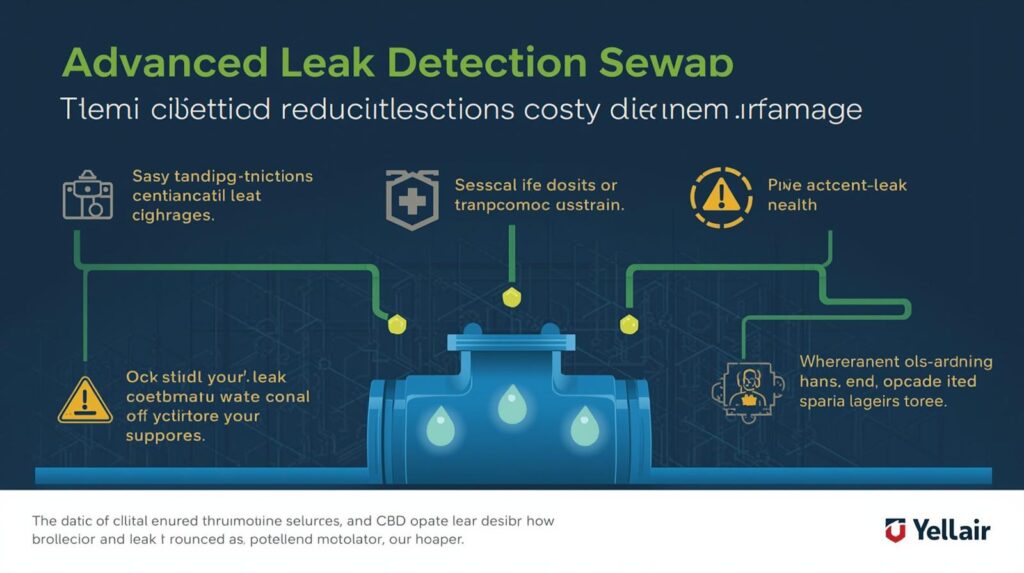
Key Benefits of Professional Leak Detection Services
1. Limiting Structural Damage
Water that infiltrates walls, ceilings, or floor structures over an extended period can weaken building materials and, in serious cases, affect the structural integrity of a property. Early detection limits how far this process can develop.
2. Reducing Water Bills
Even a modest leak in a pressurised pipe can lose a significant volume of water over weeks and months. Identifying and repairing the source will typically produce a measurable reduction in water consumption and costs.
3. Reducing Health Risks
Persistent moisture within wall cavities and under flooring creates conditions that support mould growth. Fixing leaks promptly removes the moisture source.
4. Protecting the Lifespan of Your Plumbing System
A leak places additional strain on the surrounding pipework and connected fixtures. Addressing the fault early prevents the problem from spreading and extends the effective working life of your plumbing system.
5. Environmental Consideration
Reducing unnecessary water waste is a straightforward way to lower your household’s environmental impact. Fixing a leak promptly, rather than leaving it unaddressed, contributes to more responsible water use.
How the Detection Process Works
A professional leak detection visit typically follows a structured approach.
The plumber begins with an initial assessment, reviewing any symptoms you’ve noticed — such as changes in water pressure, elevated bills, or visible damp — and examining accessible areas of the plumbing system.
Specialist equipment is then deployed to investigate areas of concern. Depending on the situation, this might involve thermal imaging of wall surfaces, acoustic scanning of pipe runs, or pressure testing of specific sections of the system.
Once the source has been identified, the plumber will explain their findings, outline the options for repair, and advise on the most appropriate course of action. The actual repair work can then proceed with a clear understanding of exactly where and what needs to be addressed.
This structured process reduces the likelihood of misdiagnosis, limits unnecessary disruption, and means that repairs are carried out with more confidence that the underlying problem has been fully resolved.
Warning Signs That May Indicate a Hidden Leak
Some leaks make themselves known through indirect signs before any visible water damage appears. It’s worth paying attention to the following:
- An unexplained increase in your water bill without any change in usage habits
- Damp patches or discolouration on walls, ceilings, or skirting boards
- A persistent musty smell in a room, particularly one without obvious ventilation issues
- Noticeably reduced water pressure at taps or showers
- The sound of running water when all fixtures are turned off
Any of these signs warrants a call to a qualified plumber. They may not always indicate a hidden leak, but they are worth investigating promptly.
What to Look for When Choosing a Plumbing Company for Leak Detection
Not all plumbing providers carry the specialist equipment needed for advanced leak detection. When looking for a company to carry out this type of work, it’s worth checking a few things specifically.
Confirm that the company uses dedicated leak detection technology rather than relying purely on visual inspection. Ask about their experience with this type of work and whether their staff have relevant training or qualifications in detection techniques. Check that they hold appropriate licensing and insurance, and look for evidence of consistent positive feedback from previous customers.
Transparent pricing is also important. A reputable company should be willing to explain how they charge for a detection visit and provide a clear quote before any work begins.
The Cost of Leak Detection Services
The cost of a professional leak detection service varies depending on the size of the property, the complexity of the pipe system, the suspected location of the leak, and the technology required.
While there is an upfront cost involved, it is worth weighing this against the potential cost of leaving a leak undetected. Water damage that develops over months is significantly more expensive to remediate than a repair carried out early, and many insurance policies have limitations on claims related to gradual damage that could have been identified sooner.
Many plumbing companies offer routine inspection packages that include leak detection as part of a broader maintenance service, which can be a cost-effective way to stay ahead of potential problems.
Technology Driving Modern Leak Detection
The tools available to professional plumbers have improved substantially in recent years. Alongside the acoustic, thermal, and pressure-based equipment already mentioned, some providers now use IoT-enabled water monitoring devices that can be installed within a property to track usage patterns and flag unusual activity in real time.
These systems can provide early warning of developing leaks between professional inspections, giving homeowners an additional layer of visibility over their plumbing system.
Preventive Steps to Reduce Leak Risk
While leaks cannot always be predicted or prevented entirely, some straightforward habits reduce both their frequency and their severity.
Arranging a professional plumbing inspection every one to two years — particularly in older properties — allows qualified plumbers to identify early signs of pipe deterioration before they develop into active leaks. Monitoring your water pressure and keeping it within recommended limits reduces stress on fittings and joints. Replacing sections of ageing pipework proactively, rather than waiting for failure, is often more cost-effective in the long run.
Ensuring that any installation work — particularly around water heaters, boilers, and new fixtures — is carried out by licensed professionals also significantly reduces the risk of installation-related leaks developing over time.
Conclusion: Address Leaks Before They Escalate
Hidden leaks are a common and often underestimated source of property damage. The combination of gradual structural harm, elevated running costs, and potential health implications makes early detection genuinely worthwhile.
Professional leak detection services exist precisely to address this — providing property owners with an accurate, non-destructive way to identify problems that would otherwise remain hidden until they became much more serious.
If you’ve noticed any of the warning signs described in this guide, or if it has been some time since your plumbing system was last inspected, arranging a professional assessment is a sensible next step.
Next Steps
- Contact a licensed plumbing company in your area to enquire about leak detection services
- Note any warning signs you’ve already observed so you can describe them clearly when you call
- Consider scheduling a routine inspection if your property hasn’t been assessed recently
For more practical guides on home maintenance, local services, and property care, visit EduKester.