Phone books have evolved from bulky printed directories into powerful online discovery tools that help customers find businesses instantly.
Modern consumers rely on online phone books regularly, often without realizing it. When someone searches for a business phone number, nearby service, or contact details, online phone book platforms frequently appear at the top of search results. If your business isn’t listed correctly, you’re invisible at the exact moment potential customers are ready to take action.
This article explores how online phone books help customers find businesses, why they remain important for local SEO, and how to use them strategically to increase calls, visits, and customer trust.
What Are Online Phone Books Today?
Online phone books have transformed beyond simple lists of names and numbers.
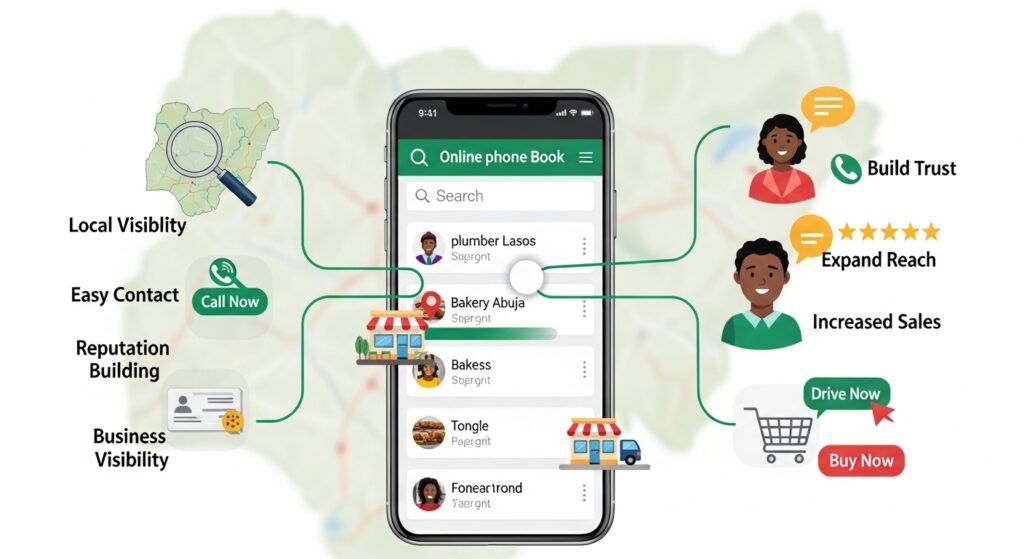
They now function as:
- Searchable business databases
- Local discovery platforms
- Trust signals for search engines
- Data sources for maps and voice search
Platforms like Google Business Profile, Bing Places, Apple Maps, and various business directories all function as digital phone books, even if they don’t use that terminology.
According to local search studies from BrightLocal and Search Engine Journal, a significant percentage of local searches are driven by users looking for contact information rather than company websites.
“In practice, online phone books form the data backbone behind most local search results.”
Why Customers Still Use Phone Books
Most customers don’t consciously think about using an “online phone book.”
Instead, they:
- Search Google for a phone number
- Use voice commands like “call a plumber near me.”
- Tap directions on their mobile device
- Click a business profile inthe search results
Behind these actions, phone book-style databases power the results. When your business information is present and consistent across these platforms, customers can reach you effortlessly. When it’s missing or incorrect, they quickly move on to competitors
“Customers rarely think about phone books directly—but they interact with them constantly.”
Comparison: Traditional vs. Online Phone Books
“The shift from printed directories to digital platforms fundamentally changed how customers discover businesses.”
Phone Book Evolution
| Feature | Traditional Phone Books | Online Phone Books |
|---|---|---|
| Accessibility | Physical copies only | Available 24/7 online |
| Search speed | Manual scanning | Instant search |
| Updates | Annual | Real-time |
| Reviews | None | Customer ratings |
| SEO impact | None | Strong local SEO signals |
| Mobile & voice search | No | Yes |
Online phone books haven’t simply replaced the old system—they’ve significantly upgraded it.
How Online Phone Books Help Customer Discovery
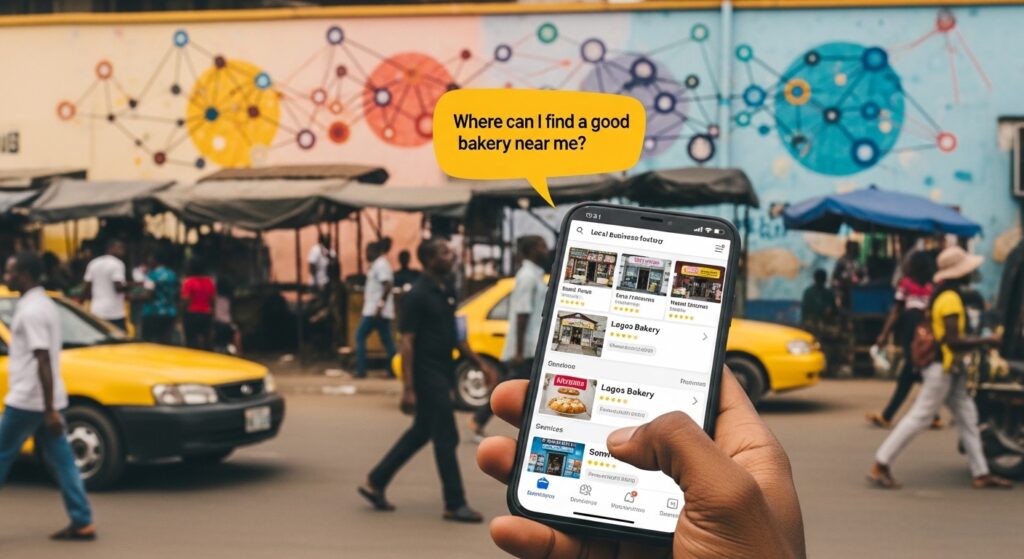
1. They Appear During High-Intent Search Moments
When customers search for:
- “[Business name] phone number”
- “[Service] near me”
- “[Store] open now”
Online phone book listings often appear before traditional websites in search results.
These searchers aren’t browsing—they’re ready to call, visit, or book a service. Analytics data from local businesses shows that phone book listings consistently drive higher conversion intent than many other traffic sources.
2. They Power Maps and Voice Search
Voice assistants rely heavily on structured business data from online phone book platforms.
When someone says:
- “Call a nearby electrician.”
- “Find a restaurant open now.”
The answer typically comes from:
- Google Business Profile
- Apple Maps listings
- Verified business databases
If your phone number or address is missing from these sources, your business effectively doesn’t exist for voice search queries.
Google emphasizes accurate business information in its local business documentation for this reason.
“Many local businesses report that phone book listings attract users who are ready to take immediate action.”
3. They Build Trust Through Consistency
Customers trust businesses that appear consistently across multiple platforms.
Online phone books contribute by:
- Confirming business details across sources
- Reinforcing legitimacy
- Reducing customer confusion
Search engines cross-reference data from multiple sources. Consistent listings improve credibility, while conflicting details can raise red flags that hurt local search performance.
4. They Increase Direct Calls and Walk-Ins
Unlike blog posts or advertising, phone books focus on immediate action.
Typical user behavior pattern:
- Search for service or contact info
- View listing with phone number
- Call immediately
Businesses often receive daily calls simply from maintaining accurate listings across major platforms—no advertising or promotions required.
Key Phone Book Platforms for Business Discovery
Google Business Profile
Functions as the largest online phone book platform, feeding data directly to Google Search and Maps.
Bing Places
Supports Microsoft search results and enterprise devices. Often overlooked but valuable for reaching specific demographics.
Apple Maps
Essential for iPhone users and Siri voice searches.
Yelp
Provides review-driven discovery and often ranks highly for brand-name searches.
Established Business Directories
These continue to function as trusted databases that search engines use for data verification and validation.
“As voice search adoption continues to grow, structured business data becomes even more important.”
Why Phone Books Matter for SEO
Online phone books influence local SEO in several important ways:
Data Validation Search engines trust businesses listed consistently across multiple reputable sources.
Local Ranking Signals: Consistent phone book listings strengthen local SEO performance.
Brand Search Control. They influence what customers see when searching for your business name.
Reduced User Friction: Users get immediate answers without confusion or additional searching.
These factors align with best practices shared by Moz and Google’s local search guidelines.
“Search engines rely on cross-platform data validation to determine which businesses to trust in local results.”
Best Practices for Online Phone Book Optimization
To maximize the effectiveness of phone book listings:
- Use identical business names across all platforms
- Keep phone numbers and addresses consistent – exact matches matter
- Choose accurate business categories that reflect your primary service
- Add high-quality photos where platforms allow
- Monitor and respond to reviews professionally
- Update information promptly when business details change
- Avoid low-quality directories – focus on reputable, established platforms
Quality and consistency matter more than quantity. A few accurate, well-maintained listings outperform dozens of inconsistent or incomplete ones. “Consistency reduces doubt—for both customers and search engines.”
Common Misconceptions About Online Phone Books
Misconception: Phone books are outdated. Reality: They power modern search, maps, and voice assistants
Misconception: Only websites matter for online presence. Reality: Listings often appear before websites in local search results
Misconception: Social media has replaced phone books. Reality: Phone books complement social discovery and provide foundational trust signals
“Many businesses receive calls directly from listings simply by keeping their information accurate and visible.”
Implementation Checklist
To optimize your online phone book presence:
- Audit existing listings – Search for your business name and identify all current listings
- Claim unclaimed profiles – Take ownership of listings you haven’t verified
- Ensure NAP consistency – Verify Name, Address, Phone match exactly everywhere
- Complete all profile fields – Fill in categories, hours, services, descriptions
- Add visual content – Upload photos of your location, products, or services
- Set up review monitoring – Track and respond to customer feedback
- Create a maintenance schedule – Review listings quarterly for accuracy
Measuring Phone Book Effectiveness
Track these metrics to understand performance:
- Direct phone calls from listings
- Direction requests from map platforms
- Profile views and clicks
- Click-to-call actions
- Customer reviews and ratings
Most major platforms provide analytics showing how customers find and interact with your listings.
Conclusion: Phone Books as Essential Discovery Tools
In local search, success often comes not from complex tactics, but from being consistently easy to find when customers are ready to act. Online phone books may not seem innovative, but they’re highly effective for local businesses. They connect with customers at the exact moment they want to call, visit, book, or buy.
For businesses that depend on local customers, phone book optimization isn’t optional—it’s foundational to online visibility. Success in local search often comes not from being the loudest, but from being the easiest to find with accurate, consistent information across trusted platforms.
Regular maintenance of your online phone book presence—combined with quality service and customer engagement—creates a reliable foundation for local business discovery and growth.